
Senior Residential Care Options: A Guide for Families and Professionals
Finding the right place for a loved one who needs extra support can feel overwhelming. When it comes to senior residential care options, understanding what’s available and how to choose the best fit is key. This guide will walk you through the essentials, helping you make informed decisions with confidence and care.
Exploring Senior Residential Care Options
When seniors require assistance beyond what family can provide, residential care becomes a valuable solution. These options range from independent living communities to assisted living and skilled nursing facilities. Each type offers different levels of support, tailored to meet varying needs.
Independent Living: Ideal for seniors who want a community setting without daily care needs. These communities offer social activities, meals, and housekeeping.
Assisted Living: Provides help with daily tasks like bathing, dressing, and medication management while promoting independence.
Skilled Nursing Facilities: For seniors needing 24-hour medical care and rehabilitation services.
Choosing the right option depends on health status, lifestyle preferences, and budget. Visiting facilities and asking questions about staff qualifications, safety measures, and resident activities can provide valuable insight.

Understanding the Benefits of Residential Care
Residential care offers more than just assistance with daily activities. It creates a supportive environment where seniors can thrive socially, emotionally, and physically. Here are some key benefits:
Safety and Security: Facilities are designed to reduce fall risks and provide emergency response systems.
Social Engagement: Group activities and communal dining help prevent loneliness and encourage friendships.
Professional Care: Trained staff monitor health conditions and provide personalized care plans.
Peace of Mind: Families can rest assured knowing their loved ones are in a safe, caring environment.
For example, a senior who enjoys gardening might find a community with outdoor spaces and gardening clubs, enhancing their quality of life. These thoughtful touches make a big difference.
Where do most older people who need care receive that care?
Most older adults who require care receive it in one of three main settings: at home, in residential care facilities, or in hospitals. Home care is often preferred for its familiarity and comfort, but it may not always meet complex care needs. Residential care facilities provide a middle ground, offering professional support in a community setting. Hospitals typically handle acute medical issues but are not designed for long-term care.
Understanding these options helps families weigh the pros and cons based on their loved one’s health and lifestyle. For many, transitioning to a residential care facility offers the right balance of independence and support.
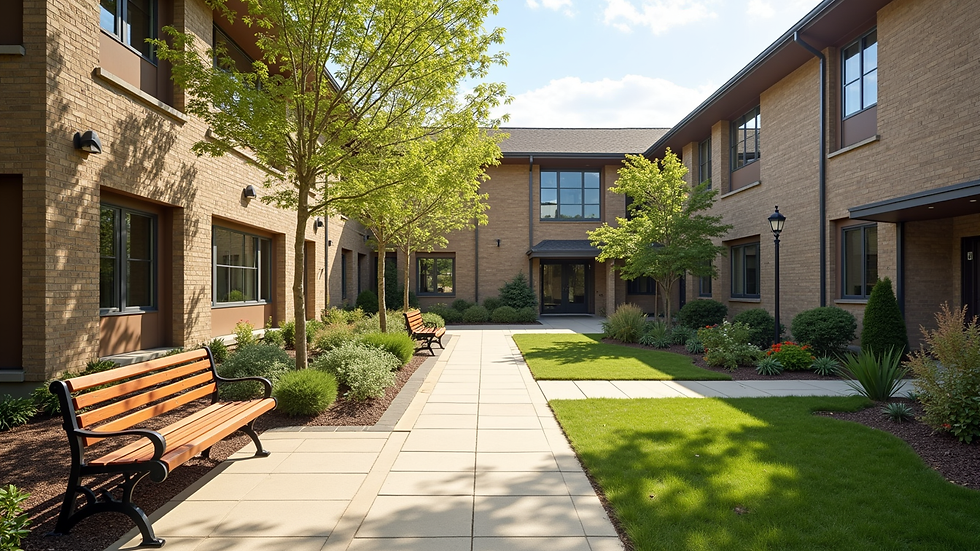
How to Choose the Right Residential Care Facility
Selecting the perfect facility involves careful consideration and research. Here are practical steps to guide you:
Assess Needs: List the specific care requirements, including medical, mobility, and social needs.
Research Facilities: Look for licensed and accredited communities with good reputations.
Visit in Person: Touring facilities allows you to observe cleanliness, staff interactions, and resident happiness.
Ask Questions: Inquire about staff-to-resident ratios, emergency protocols, and available activities.
Review Costs: Understand what is included in fees and what might be extra.
Check Location: Proximity to family and friends can impact visits and emotional well-being.
Remember, the goal is to find a place where your loved one feels comfortable, respected, and cared for. Trust your instincts and involve your loved one in the decision whenever possible.
Supporting Your Loved One Through the Transition
Moving into residential care can be a big change. Supporting your loved one emotionally and practically makes the transition smoother.
Communicate Openly: Discuss feelings and expectations honestly.
Personalize Their Space: Bring familiar items like photos, blankets, or favorite books.
Stay Involved: Regular visits and participation in activities show ongoing support.
Encourage Social Connections: Help them make friends and join groups within the community.
This transition is a new chapter, not an end. With patience and care, your loved one can find joy and comfort in their new home.
For families and professionals seeking quick and personalized placement, residential care for seniors in Las Vegas and Henderson offers tailored solutions to meet diverse needs.
Planning Ahead for Future Care Needs
It’s wise to plan for future care needs before a crisis occurs. Early planning allows for thoughtful choices and reduces stress.
Discuss Preferences: Talk about what kind of care your loved one wants.
Explore Financial Options: Understand insurance, Medicaid, and other funding sources.
Prepare Legal Documents: Ensure powers of attorney and advance directives are in place.
Stay Informed: Keep up with changes in care options and regulations.
Planning ahead empowers families to act decisively and compassionately when the time comes.
Navigating senior residential care options can feel like a journey through unfamiliar territory. But with clear information, practical steps, and a caring approach, you can find the right place where your loved one will feel safe, supported, and valued. Remember, this is about creating a home filled with dignity and warmth - a place where the next chapter of life can be lived fully.


Comments